Essential Vitamins for Male Well-being
Proper nutrition plays a fundamental role in maintaining overall health, energy levels, and vitality. For men, ensuring adequate intake of essential vitamins and minerals is crucial for supporting various bodily functions, from energy production to immune system strength.
Supports bone health, immune function, and overall well-being.
Essential for energy production, nerve function, and stress adaptation.
Provides antioxidant support for cellular protection.
Supports immune system strength and collagen formation.
Contributes to bone density and cardiovascular health.
Important for cell division and DNA synthesis.
A well-balanced diet rich in whole foods is the foundation of good nutrition. Whole foods provide not only vitamins and minerals but also fiber, phytonutrients, and other beneficial compounds that work synergistically.
However, modern lifestyles, dietary restrictions, or increased nutritional needs may sometimes require additional support. Understanding the role of various nutrients helps you make informed decisions about your nutritional approach.
The most effective strategy often involves prioritizing nutrient-dense foods while considering supplementation when necessary, based on individual circumstances and preferences.
Energy production in the body is a complex process involving multiple nutrients working in concert. B vitamins, for example, are critical cofactors in energy metabolism, helping convert carbohydrates, fats, and proteins into usable energy.
Iron transport oxygen, magnesium supports ATP production, and carnitine facilitates fat metabolism. Antioxidants like vitamins C and E help reduce oxidative stress that can lead to fatigue. Additionally, minerals like phosphorus and calcium play supporting roles in muscle function and energy utilization.
Overall energy levels are influenced not only by nutrient intake but also by sleep quality, physical activity, stress management, and general lifestyle habits.
Support brain function and cognitive performance through cell membrane health and neurotransmitter production.
Crucial for neurotransmitter synthesis and myelin formation, supporting memory and mental clarity.
Vitamins E and C protect brain cells from oxidative damage, supporting long-term cognitive function.
Oxidative stress occurs when there is an imbalance between harmful free radicals and the body's antioxidant defense system. This condition can contribute to cellular aging and various health challenges.
Antioxidants such as vitamins C and E, selenium, and various plant compounds help neutralize free radicals, protecting cells from oxidative damage. Regular consumption of antioxidant-rich foods—including colorful fruits, vegetables, nuts, and seeds—supports this protective mechanism.
Understanding the role of antioxidants helps you appreciate why a diverse, nutrient-rich diet is beneficial for maintaining cellular health and supporting your body's natural defense systems.
Quality Sleep: Sleep is when the body performs critical repair and restoration functions. Adequate sleep enhances immune function, hormone regulation, and mental clarity.
Regular Physical Activity: Exercise improves cardiovascular health, strengthens muscles and bones, enhances mood through endorphin release, and improves metabolic efficiency.
Stress Management: Chronic stress depletes certain nutrients and affects overall health. Practices like meditation, deep breathing, and relaxation techniques support resilience.
Hydration: Proper hydration is essential for nutrient transport, temperature regulation, and optimal organ function.
Social Connection: Strong social bonds and community contribute significantly to mental and physical well-being.
Reality: Optimal health comes from balance. Excessive intake of certain nutrients can be counterproductive. It is important to understand recommended daily values and maintain appropriate levels for your individual circumstances.
Reality: Quality, bioavailability, and formulation matter. Different forms of nutrients have different absorption rates. Food sources often provide synergistic benefits that isolated supplements may not replicate.
Reality: Whole foods provide complex nutrient profiles, fiber, and phytonutrients that supplements cannot fully replicate. Supplements are meant to complement, not replace, a balanced diet.
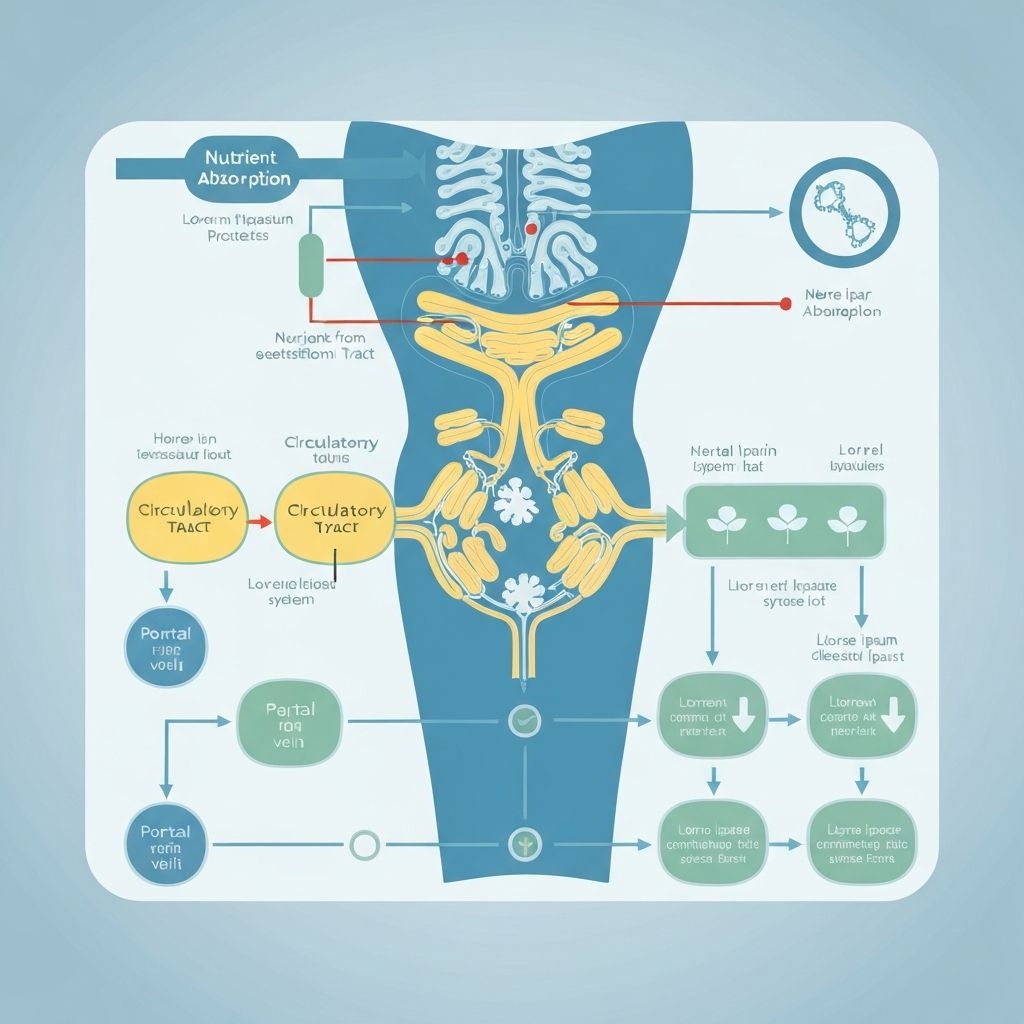
Consuming nutrients is only part of the equation; absorption and utilization are equally important. Multiple factors influence how your body processes and uses the nutrients you consume.
A healthy digestive system with adequate stomach acid and enzyme production is essential for nutrient breakdown and absorption.
Some nutrients enhance each other's absorption (like vitamin D with calcium), while others compete. Understanding these interactions optimizes nutrient utilization.
Age, genetics, medications, and existing health conditions all influence nutrient absorption and requirements.
No promises of outcomes. This website is an independent educational resource providing informational content about nutritional support for men's well-being. All materials are for informational and educational purposes only. Nothing on this website constitutes medical advice, diagnosis, treatment, or professional healthcare recommendations.